How is premises liability different from slip and fall?
Slip and fall is one type of premises claim. Premises liability can also involve security, falling objects, lighting, electrical or structural hazards, and unsafe common areas.
Unsafe-property injuries
Premises cases can involve unsafe walkways, inadequate maintenance, falling objects, or other hazards. Each claim turns on its specific facts and evidence.
Request a free consultation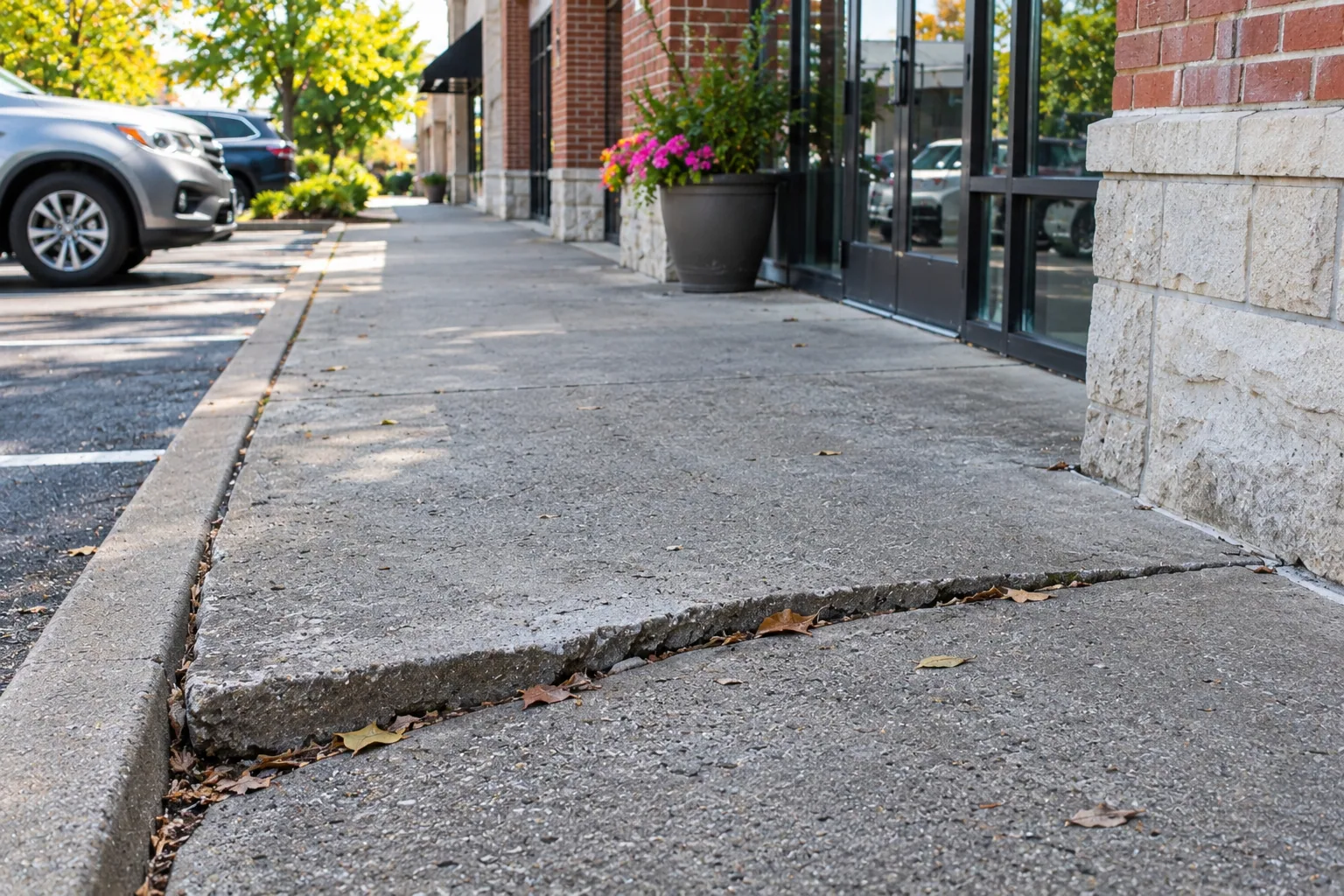
This guide provides general Missouri information. It cannot determine fault, coverage, deadlines, or value without the facts and applicable policies.
This page addresses unsafe-property injuries that are not simply a spill, ice, or walking-surface fall. Examples can include negligent security, falling merchandise, dangerous shelving, inadequate lighting, exposed wiring, structural hazards, dog or animal incidents, and failures involving common areas.
For wet floors, ice, broken stairs, and sidewalk falls, see the dedicated Springfield slip-and-fall guide.
An assault on property does not automatically make the owner liable. A claim may turn on control of the premises, prior incidents or warnings, the foreseeability of the harm, lighting, locks, access control, security practices, and whether a reasonable precaution would have made a difference.
Police calls, incident reports, lease provisions, surveillance video, and prior complaints may be important. These cases are fact intensive and should be investigated promptly.
Retailers, warehouses, landlords, and contractors may control shelving, stacked merchandise, ceiling materials, signs, tools, or construction debris. The investigation asks who placed or maintained the item, whether the risk was foreseeable, what inspections occurred, and whether warnings or barriers were reasonable.
Preserve the item if possible, photograph the display and surrounding area, identify employees and witnesses, and request preservation of surveillance footage.

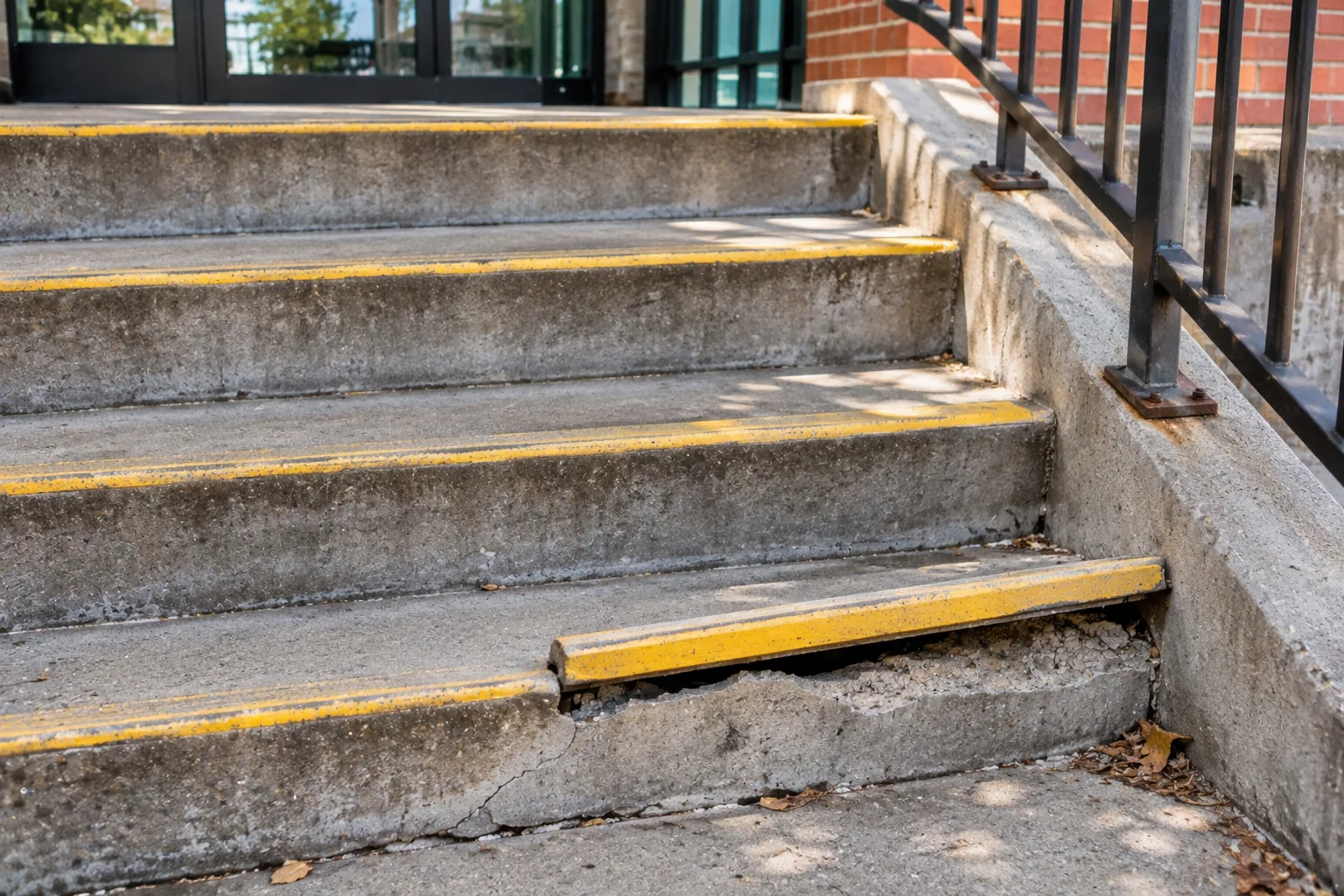
Dark stairwells, parking areas, halls, and entrances can hide elevation changes, obstacles, damaged surfaces, or security risks. A landlord or manager’s duty depends on control, notice, the lease, applicable codes, and the specific danger.
Photograph the area under the same lighting conditions and preserve repair requests, outage reports, inspection records, and prior complaints.
A deed alone does not answer every premises case. Potential defendants may include owners, tenants, property managers, maintenance companies, contractors, security companies, condominium associations, or a business that created the condition.
Contracts, leases, work orders, and inspection practices can show who controlled the area and who had notice.
Common questions
Slip and fall is one type of premises claim. Premises liability can also involve security, falling objects, lighting, electrical or structural hazards, and unsafe common areas.
Sometimes, but not merely because an assault occurred. Control, foreseeability, prior incidents, existing security measures, and causation are central.
It depends on control, lease terms, who created the condition, who had notice, and who undertook maintenance or security.
Photographs, video, witness details, incident reports, police records, repair requests, communications, lease information, and the item or condition involved can matter.
Missouri generally provides five years for personal-injury actions under RSMo § 516.120, but government notice rules and other exceptions may be shorter.
Statutes can change and case law affects how they apply. These links are starting points, not a substitute for a case-specific review.