Does a pedestrian always have the right of way?
No single rule answers every collision. Signals, crosswalks, turning movements, visibility, speed, and local traffic rules all matter.
Pedestrian injury claims
A person struck by a vehicle may face urgent medical needs and uncertainty about insurance coverage. A prompt review can help preserve evidence and identify potential coverage.
Request a free consultation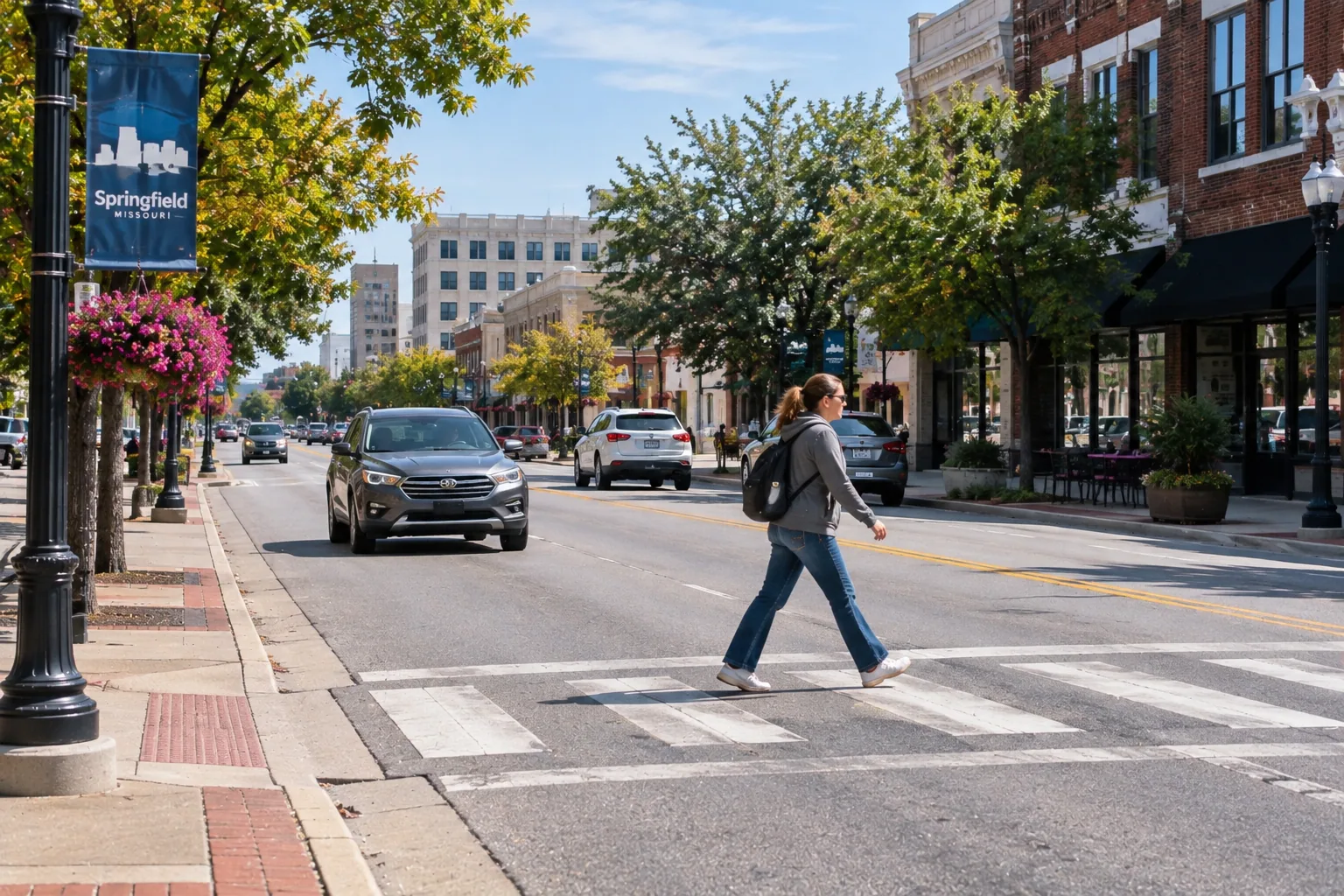
This guide provides general Missouri information. It cannot determine fault, coverage, deadlines, or value without the facts and applicable policies.
Pedestrian collisions can happen at marked crosswalks, parking-lot entrances, neighborhood intersections, downtown streets, and busy corridors near Missouri State University. The investigation should identify the traffic signal phase, crosswalk markings, lighting, driver sight line, speed, turning movement, phone use, and the pedestrian’s direction of travel.
Serious injuries can occur even at low vehicle speeds. Prompt medical care and early evidence preservation matter.
Drivers and pedestrians both have safety duties. The analysis may depend on signals, marked or unmarked crosswalks, turning traffic, visibility, and local ordinances. A driver’s assertion that the pedestrian “came out of nowhere” should be tested against physical evidence and the actual view available before impact.
Missouri’s comparative-fault rules allow responsibility to be divided. A dispute about where the pedestrian crossed does not automatically end a claim.
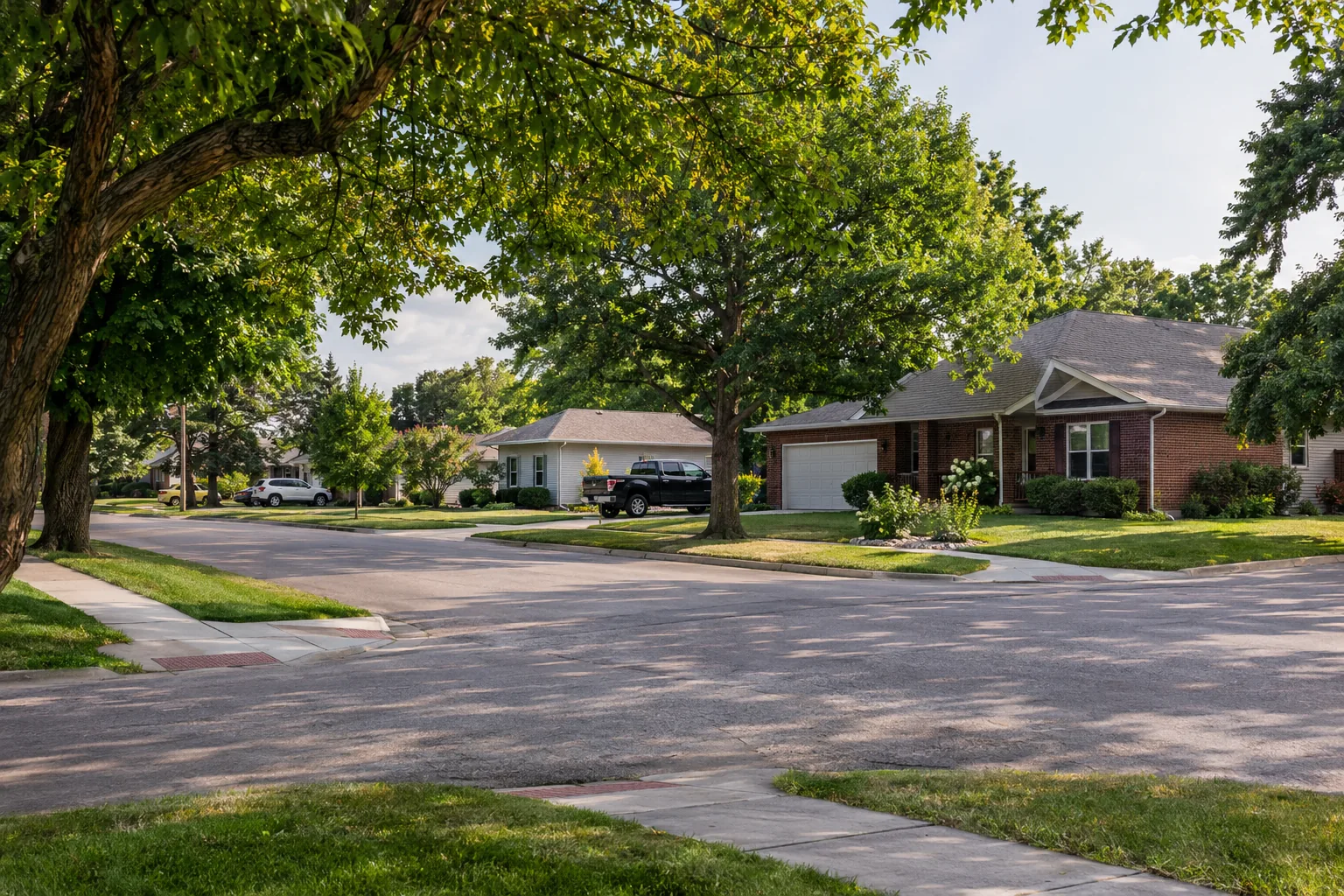
If the driver leaves, report the collision immediately and preserve descriptions, video, witness information, debris, and nearby camera locations. RSMo § 379.203 recognizes uninsured-motorist protection when the responsible vehicle leaves before it can be identified, subject to the policy and proof.
A pedestrian may qualify as an insured under a household or other applicable auto policy even though they were not inside a vehicle. Every potentially applicable policy should be reviewed.
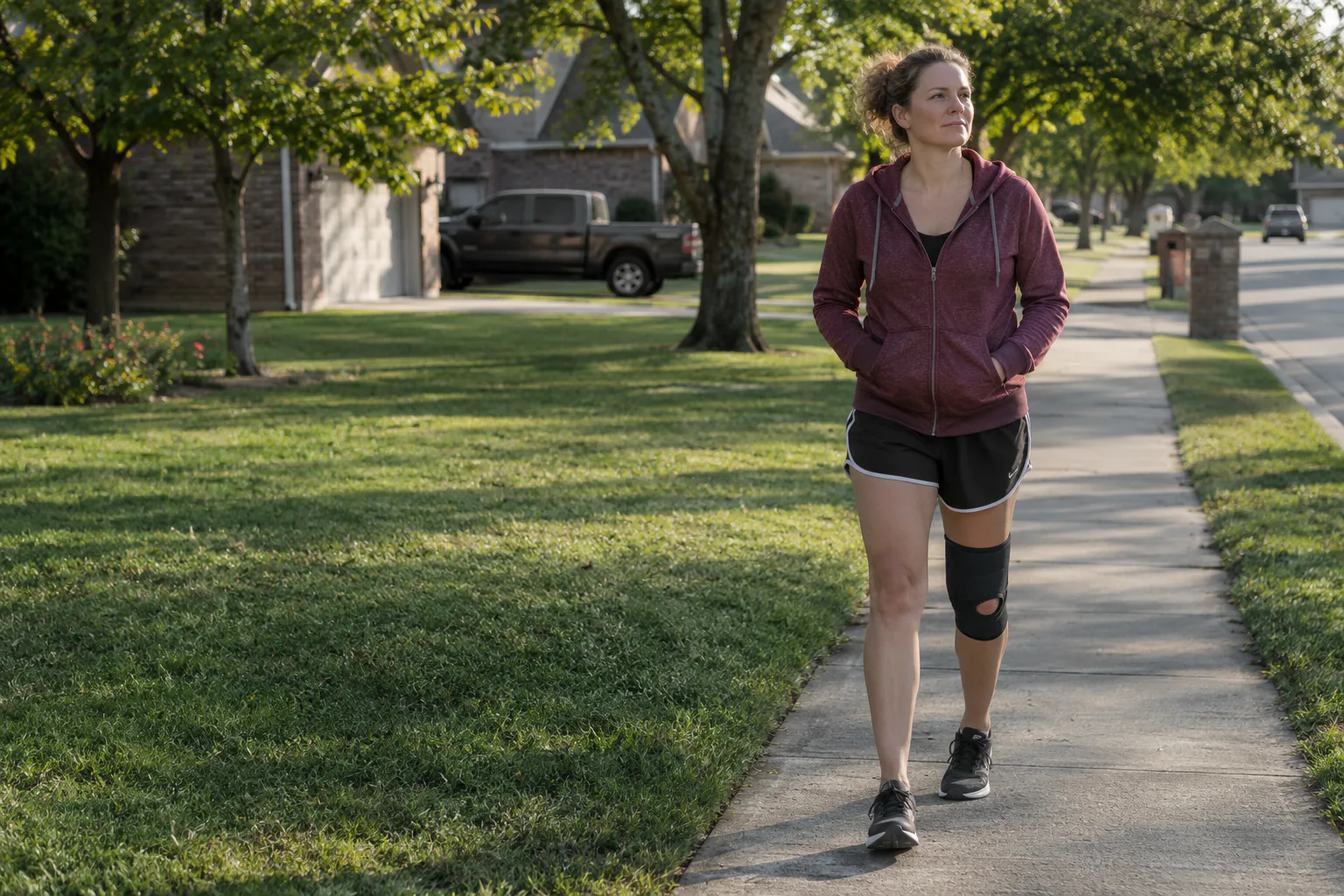
A pedestrian claim may involve emergency care, surgery, rehabilitation, mobility equipment, lost income, household help, scarring, pain, and future medical needs. Keep medical instructions, bills, work records, photographs, and a practical record of limitations during recovery.
Common questions
No single rule answers every collision. Signals, crosswalks, turning movements, visibility, speed, and local traffic rules all matter.
Possibly. The insurer may argue comparative fault, but a driver still has duties of reasonable care. Missouri allows fault to be divided rather than treating partial fault as an automatic bar.
Call law enforcement and preserve identifying evidence immediately. Uninsured-motorist coverage may apply to a qualifying hit-and-run under RSMo § 379.203.
Potential sources include the driver’s liability coverage and UM/UIM or MedPay benefits under policies that insure the pedestrian. Coverage depends on the policy language and household relationships.
Scene and injury photographs, witness information, police records, nearby video, signal timing, vehicle damage, medical records, and wage-loss proof can all matter.
Statutes can change and case law affects how they apply. These links are starting points, not a substitute for a case-specific review.